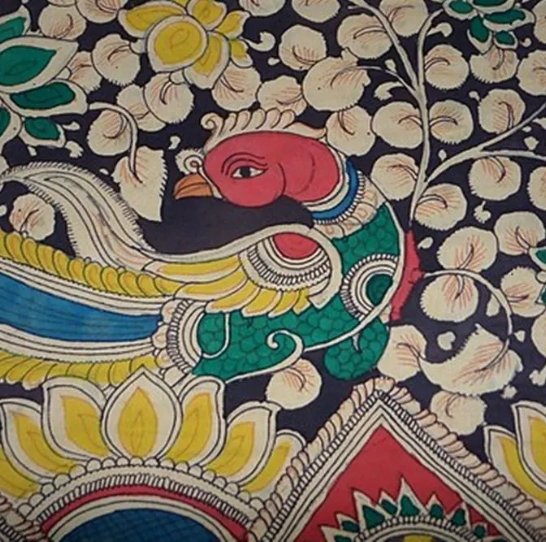
Karuppur Kalamkari
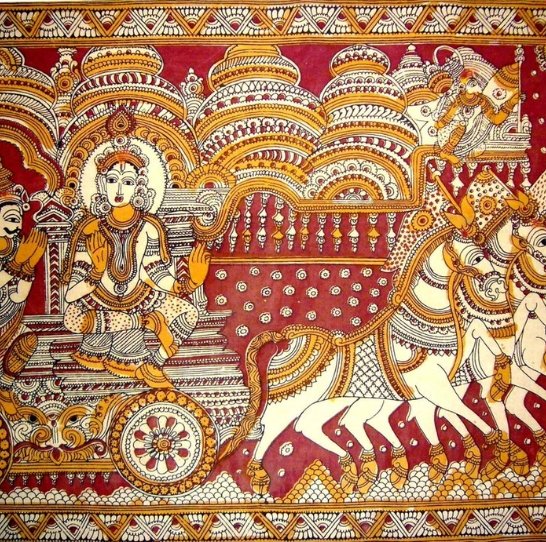
Karuppur Kalamkari paintings are a traditional art form in Tamil Nadu, known for their intricate designs and motifs inspired by the rich heritage of Thanjavur. These paintings are made with natural dyes and brushes called kalams on pure cotton cloth. The craft, which dates back to the 17th century, gained prominence during the royal patronage of the Serfoji kingdom.
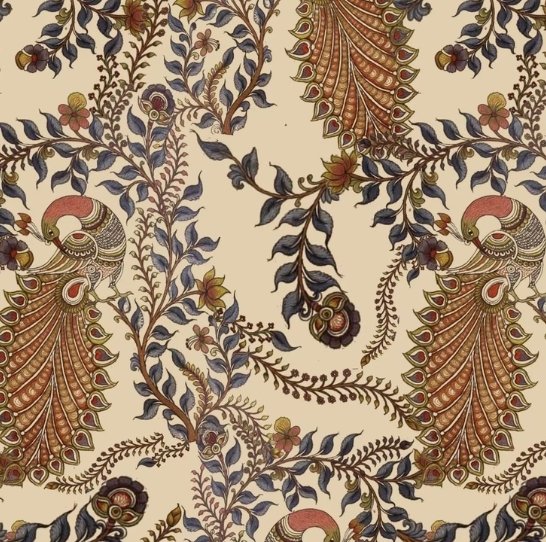
- The traditional colours used are black, red and yellow, with pale blue being added in modern times.
- In contrast to Machilipatnam Kalamkari, this art form is painted entirely by hand and not block-printed.
- The motifs depict deities, flowers, peacocks, swans and yalis.
- Historically, the paintings were used to decorate temples and palaces.
- The technique requires a high level of craftsmanship and is unique to Karuppur Kalamkari.
- Production areas include the regions around Sickinaikkenpet, Tirupanandal and Kumbakonam in Thanjavur district.
- Some sources also associate him with Udayarpalayam taluk in Ariyalur district and Thiruvidaimarudur taluk in Thanjavur district.
- Famous works include Ramayanam, Thiruvilaiyadal Puranam, Ramar Pattabishegan, Amritham Stirring and Thirumalai Nayak King.
- Examples of this art form are preserved in the Saraswati Mahal Museum in Thanjavur.
- The Tamil Nadu Handicrafts Development Corporation (Poompuhar) promotes Karuppur Kalamkari paintings.